
Sale!
Elite Rebounder Trampoline Bundle
Original price was: £149.00.£124.00Current price is: £124.00.
Find Out MoreWe often talk about exercise in terms of fitness, weight loss or mental health, but one of its most underrated benefits is how it can help you perform better throughout the rest of the day.
Movement does not just support your body. It can also help you feel more alert, more energised and more mentally switched on. Public health guidance links regular physical activity with better energy, sleep, mood and brain health, and the CDC notes that physical activity can help people “feel better” and “function better.”
That matters because most people are not just looking for a workout that burns calories. They want to feel good enough to get through busy workdays, stay focused for longer, and avoid that heavy, foggy feeling that can creep in when energy dips.
One of the biggest mindset shifts people can make is to stop seeing exercise as a separate part of life. It is not just something you do for 20, 30 or 45 minutes and then forget about. The effects can carry into the rest of your day.
Regular physical activity is associated with benefits for thinking, learning and judgement over time, and even a single session of moderate-to-vigorous activity can bring some immediate benefits for brain health and reduced short-term anxiety. The NHS also highlights that exercise can boost mood, energy and sleep quality, all of which can influence how well you function day to day.
When people move regularly, they often notice things like:
That does not mean exercise turns you into a productivity machine overnight. It simply means your body and brain often work better when movement is part of your routine.
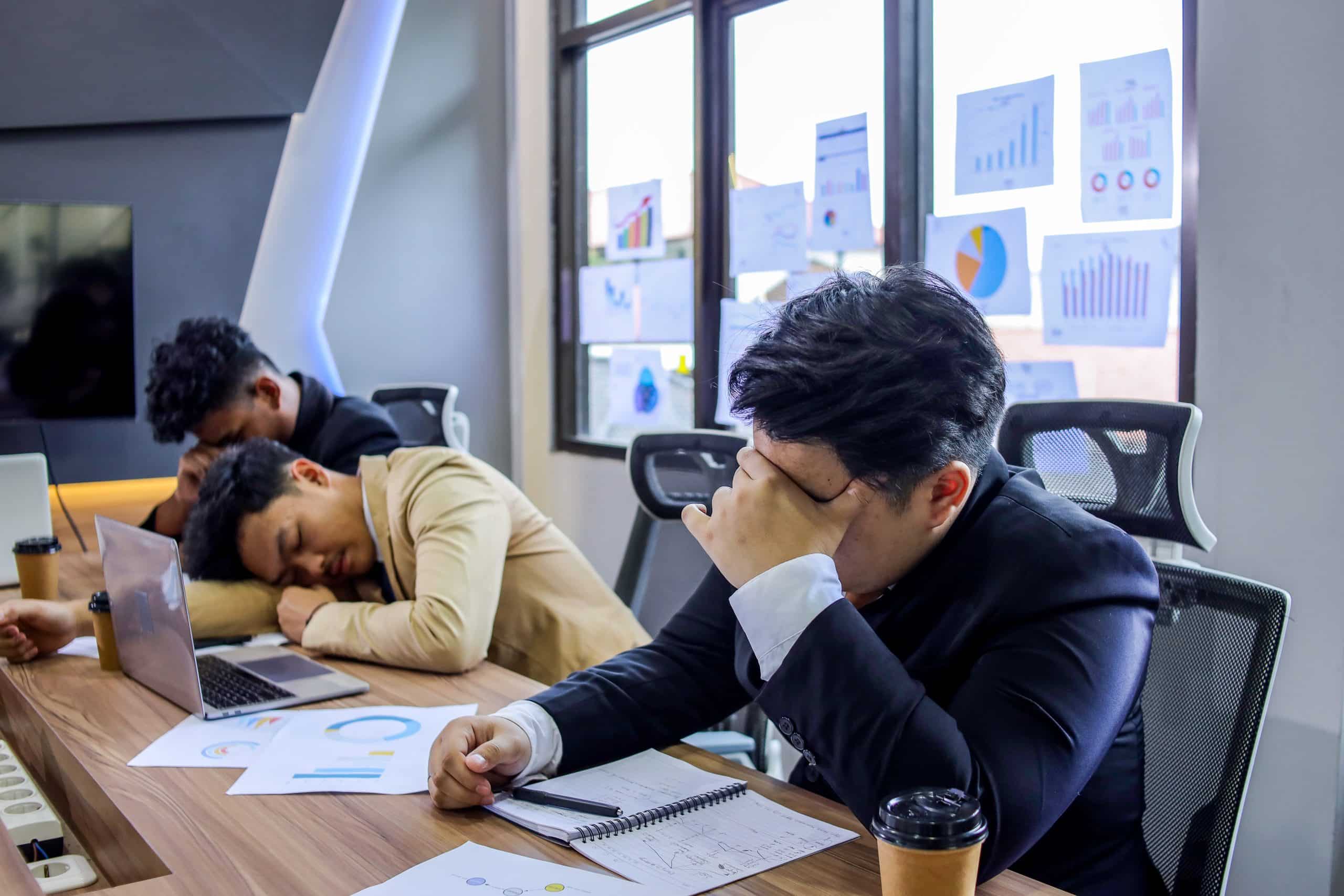
Modern life makes it very easy to feel mentally flat. Long stretches of sitting, too much screen time, poor sleep, stress and lack of movement can all leave people feeling drained before the day is even over.
That is part of why exercise can be so helpful. It breaks up that stagnant feeling. It gives the body a reason to wake up, the mind a chance to reset, and the day a bit more rhythm.
The NHS includes regular exercise among the practical ways to help improve energy and reduce tiredness, and also notes that physical activity can support better sleep. Better sleep, steadier mood and improved energy can all feed into better focus and mental performance the next day.
So while exercise may not be a magic answer to every low-energy day, it can be one of the most practical tools for helping you feel sharper and more capable overall.
When you feel physically better, it is often easier to think clearly and stay on task. That is one of the reasons movement can be so valuable during busy periods.
Here are a few of the main ways exercise can help:
It can help you feel more alert. A workout, brisk walk or short burst of movement can help shift you out of that sluggish, switched-off feeling. This is especially useful in the morning or during the afternoon dip when focus tends to drop.
It can support better energy through the day. The NHS specifically links physical activity with improved energy levels. That does not mean intense workouts are always best. In many cases, consistent moderate movement is what helps people feel better day to day.
It can help reduce stress. Stress has a huge effect on concentration. When your mind is overloaded, even simple tasks can feel harder. The NHS notes that being active can reduce anxiety and stress and improve wellbeing, which can make it easier to approach the day with a clearer head.
It can support better sleep. Sleep and productivity are closely linked. If exercise helps you sleep better, that can have a knock-on effect on energy, attention and patience the next day. Both the NHS and CDC link regular physical activity with better sleep.
This is where the real value comes in. You do not need to train for hours to feel the benefits. The goal is not to become obsessed with performance. It is to use movement in a way that helps you function better.
Start the day with some movement. A short morning workout, a walk, or even 10 minutes of movement at home can help you feel more awake and ready to get going.
Use movement breaks to reset. If you work at a desk, long periods of sitting can leave you feeling stiff and mentally dull. A short break to stretch, walk around or get your body moving can help reset your focus.
Try a lunchtime walk. If your concentration drops halfway through the day, getting outside for a walk can help create a mental reset point before the afternoon.
Choose exercise that energises you. Not every workout needs to be intense. Some people feel better with lower-impact sessions, dancing, rebounding, walking or light strength work. The best routine is the one that helps you feel supported, not wiped out.
Focus on consistency over intensity. You are more likely to feel the benefits of movement when it is part of your regular week, not something you only do once in a while when motivation appears.
This is the most important part.
Exercising for focus and productivity should not become another pressure point. It is not about squeezing every last drop out of yourself or using workouts to become more efficient at being busy.
It is about supporting your body and mind so that daily life feels more manageable.
More clarity. Better energy. A steadier mood. Less of that foggy, flat feeling that makes everything feel harder than it needs to be.
That is a far healthier and more sustainable way to think about movement.
Instead of asking, “How can I exercise more?” it may be more helpful to ask:
These questions are often more useful than setting overly ambitious goals.

Exercise is not only about fitness goals or physical appearance. It can also be one of the most effective ways to support your energy, your focus and your ability to handle the day well.
If you often feel mentally tired, sluggish or unproductive, adding more movement into your week may help more than you think. Not because it will make life perfect, but because it can help you feel better equipped for it.
Sometimes the value of exercise is not just in the workout itself. It is in how much better the rest of the day feels afterwards.
Rebounder Trampolines: Boogie Bounce’s mini trampoline rebounders provide an exhilarating and low-impact workout that’s easy on your joints. Plus, the cardio benefits are fantastic for your heart health – all from home or at a local class!
Boogie Bounce Classes: Join Boogie Bounce Classes across the UK and benefit from the Boogie Bounce atmosphere and our wonderful, talented instructors.
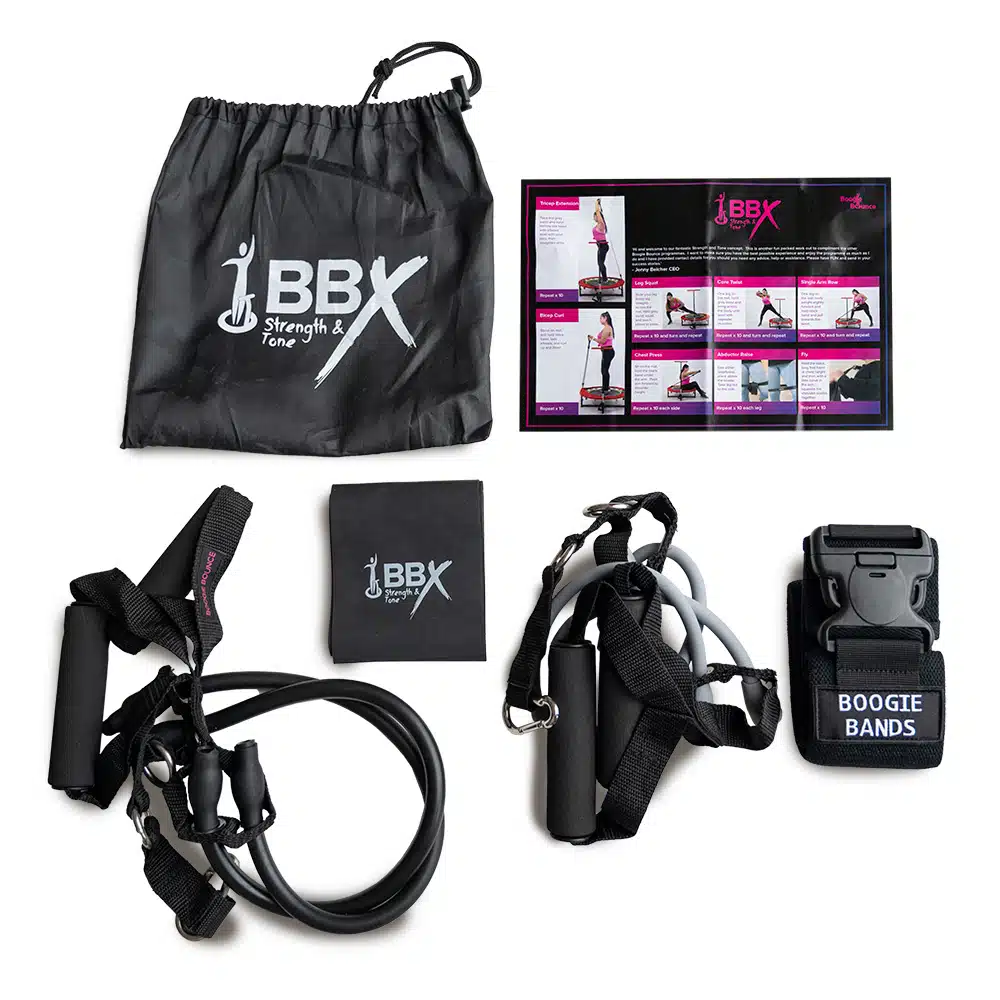
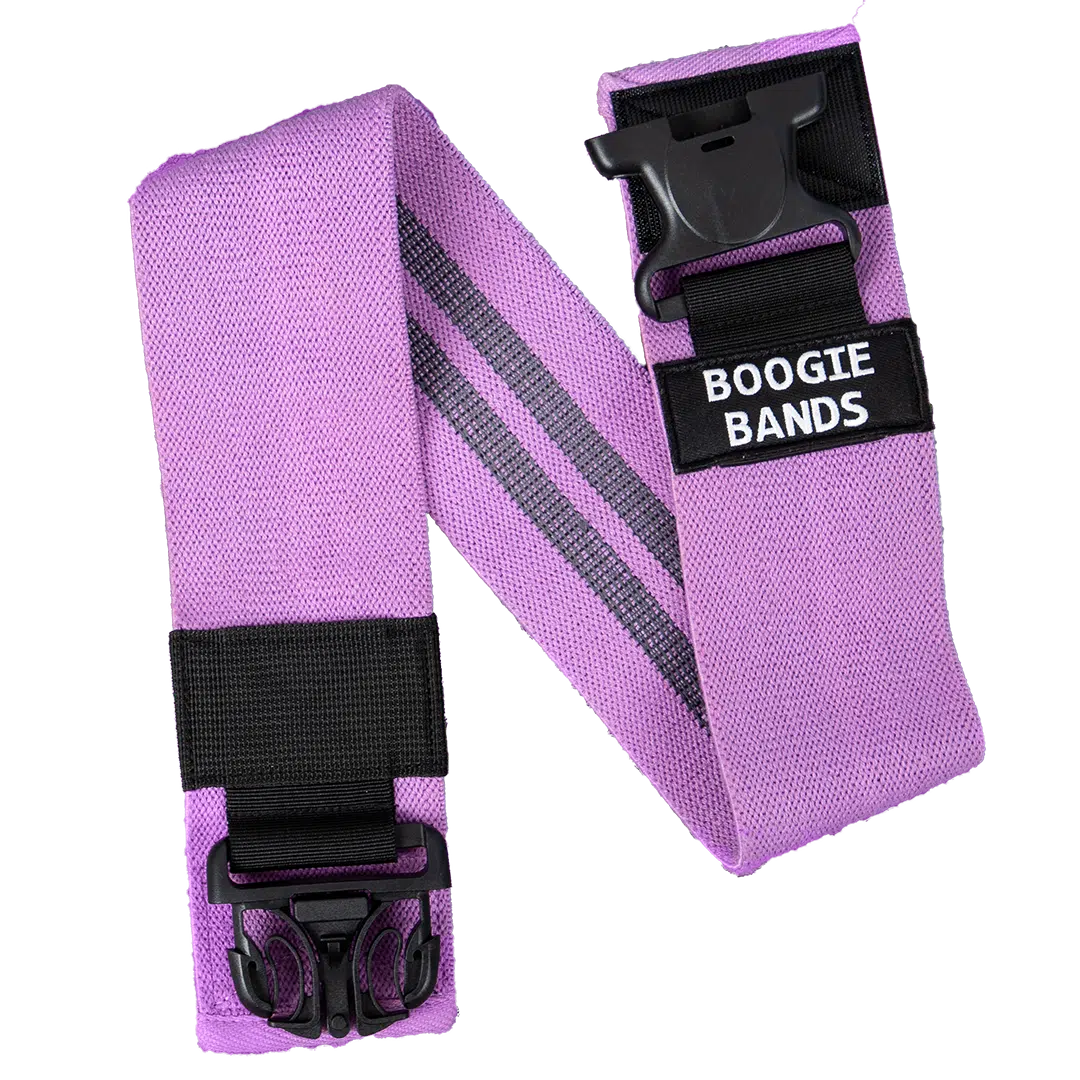
Strength and Tone Resistance Bands: Combine these with your rebounder routine to amp up the resistance and sculpt your muscles effectively.
Mobile App: Can’t make it to the gym? No problem! Boogie Bounce’s mobile app allows you to follow fitness routines at home, ensuring you never miss a workout.
YouTube Membership: Including everything available on the App, the YouTube membership offers an easy, alternative way to get bouncing!
Visit our shop to see our full selection of rebounders and accessories. Your Boogie Bounce Rebounder is a true ‘Gym-in-a-Bag’
The Boogie Bounce Studio and Elite rebounders are durable, lightweight, have a patented Safety T-Bar, and fold away into a carry bag – making them easy to store in between use. They also start from just £109 with free delivery. Pair the Boogie Bounce app with your smart TV, get started with our beginner routines, and then move onto the full routines, or branch out into our strength and conditioning programmes. You can see all the programmes we offer, here.
If you have any questions that we can help with, please contact us on:
Tel: 0121 354 1190
Email: [email protected]
Original price was: £149.00.£124.00Current price is: £124.00.
Find Out More
Original price was: £129.00.£79.00Current price is: £79.00.
Find Out More