Sale!
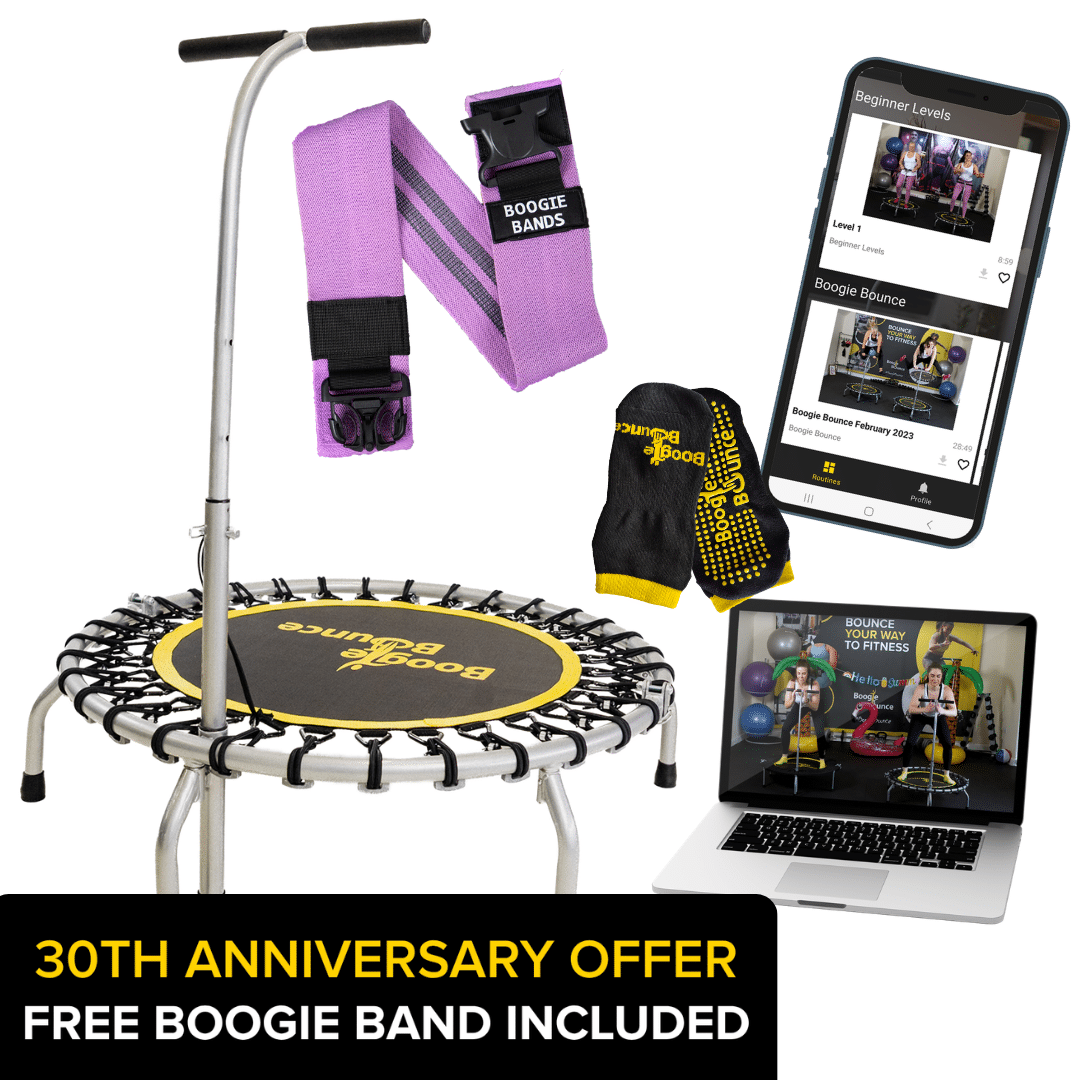
Elite Rebounder Trampoline Bundle
Original price was: £149.00.£124.00Current price is: £124.00.
Find Out MoreStarting any new form of exercise can feel daunting, especially if you feel unfit, out of routine or unsure where to begin.
That is exactly why rebounding can be such a helpful place to start. You do not need to be fit before you begin. You start where you are, build gradually, and let your body adjust over time. Public health guidance is very clear that regular physical activity supports both physical and mental health, and that even doing some activity is better than doing none. It can help improve energy, sleep, mood, heart health, strength, balance and long-term health.
If you are completely new to rebounding, the first month is not about pushing hard or trying to keep up with anything advanced. It is about getting comfortable, building confidence and beginning to notice the early physical and mental benefits that come from moving more regularly.
For many beginners, the hardest part of exercise is not the workout itself. It is finding something that feels manageable enough to begin.
Rebounding can be a good option because it allows you to start gently and build up over time. More broadly, regular physical activity is associated with improved fitness, better balance and coordination, better sleep, improved mood and lower risk of long-term health problems. For anyone returning to exercise, NHS guidance also recommends building activity up gradually, especially if you have not been active for a while.
As with any new exercise routine, if you have a medical condition, any concerns, or you have not exercised for some time, it is sensible to check with your GP first and make sure the activity and intensity are appropriate for you.
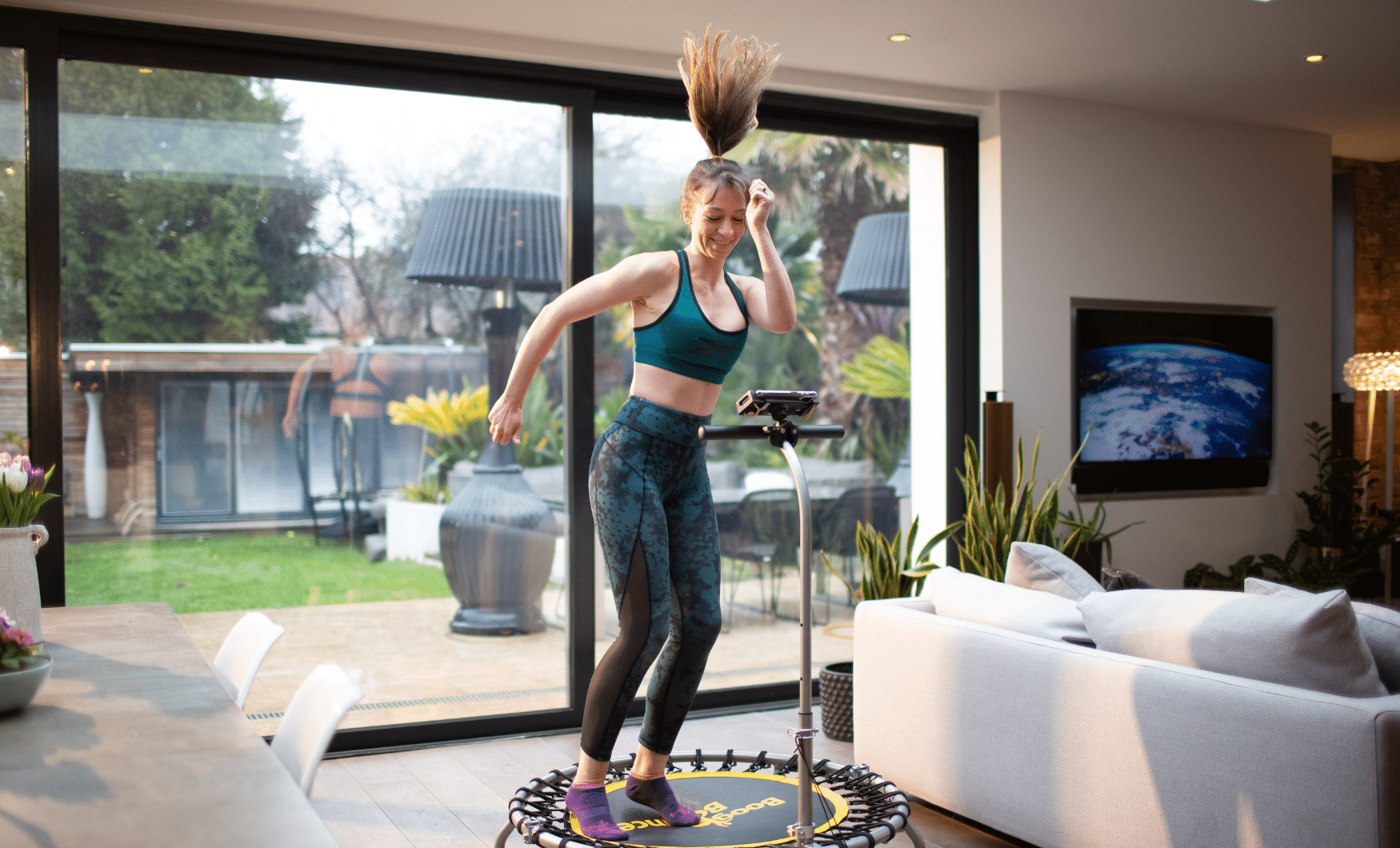
One of the most encouraging things about starting exercise is that the benefits are not all long-term. Some changes can begin to show up surprisingly early, especially when you go from doing very little to doing something regularly.
In the first few weeks, many people notice improvements in how they feel before they see anything dramatic physically. Physical activity is linked with feeling better, functioning better, sleeping better and having more energy. Over time, it also supports stronger muscles and bones, heart health and long-term wellbeing.
Over your first month, you may begin to notice:
That does not mean every session will feel easy straight away. Some workouts may still feel awkward at first, and your body will need time to adjust. But that is normal. In the beginning, progress is often about feeling a little more capable each week.
Everyone starts from a different place, but a realistic first month often looks something like this.
The first week is about getting used to the movement, the balance and the idea of exercising regularly again.
This is the point to keep things short and simple. Even 10 to 15 minutes can be enough when you are just starting out. The goal is not intensity. It is simply to begin.
You may notice:
By week two, things often start to feel less new. Your body is beginning to adapt, even if you are still taking it gently.
This is where consistency matters more than doing longer workouts. Two or three short sessions in a week can be enough to help you build confidence and create momentum.
You may notice:
By the third week, many beginners start to notice that what felt hard at the start is beginning to feel more manageable.
That early improvement can be very motivating. You may still be a beginner, but you are no longer right at the start.
You may notice:
At the end of the first month, the biggest change is often not appearance. It is that exercise has started to feel possible again.
You may still be in the early stages, but you have begun to build a base.
You may notice:
The first month is often where confidence and consistency begin, but the physical benefits of regular exercise continue to build over time.
NHS guidance links regular physical activity with improved heart health, stronger muscles and bones, better balance and mobility, and lower risk of conditions such as heart disease, stroke and type 2 diabetes. The CDC also highlights better sleep, improved brain health and improved ability to function day to day.
As you keep going beyond the first month, you may gradually notice:
These changes usually come from steady, repeated effort rather than trying to do too much too soon.
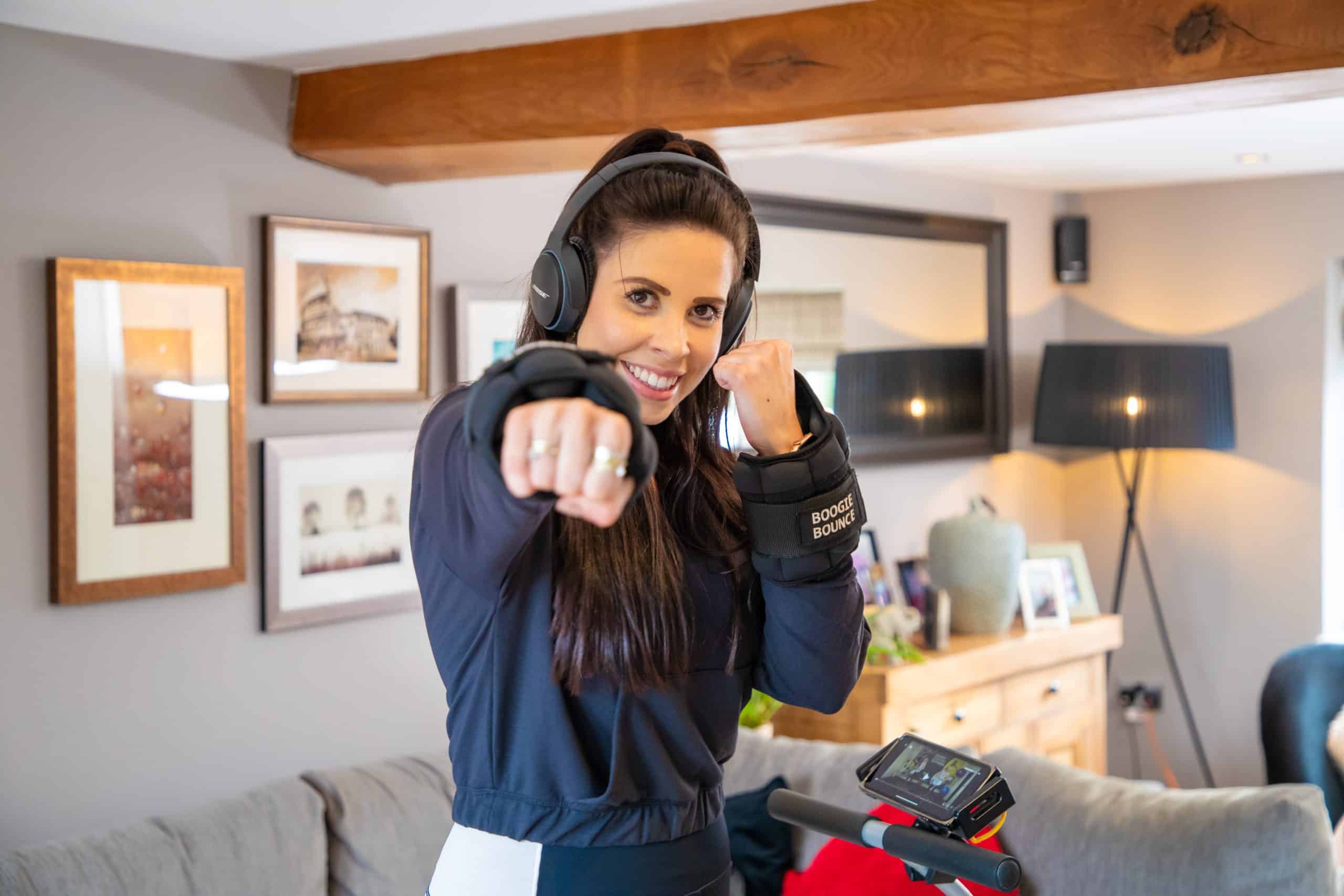
One of the best things about Boogie Bounce is that you do not have to jump straight into the more demanding workouts. There are different programmes that allow you to start at the level that feels right for you, build confidence, and then progress when you feel ready.
If you are completely new to rebounding, or returning to exercise after a long break, a good place to start is with the more beginner-friendly options such as Beginner Levels, Basic Bounce and Bounce & Balance.
These routines can help you build the foundations first. In your early weeks, that foundation might mean improving balance, getting more comfortable on the rebounder, building basic stamina, and proving to yourself that you can do it.
As your fitness develops, you may then feel ready to explore more challenging Boogie Bounce programmes.
For example:
That progression matters because starting gently does not mean staying stuck. It simply means giving yourself the right platform to grow from. As your confidence, stamina and strength improve, you can gradually move into more advanced routines and enjoy a wider variety of workouts.
If you feel unfit, it is even more important to start in a way that feels realistic and supportive.
A few simple principles can help:
You do not need long workouts to begin with. Short sessions are enough to help your body start adapting.
Your first month is about building a base, not chasing perfection or dramatic transformation.
Recovery matters. Rest days are part of progress, especially when your body is adjusting to something new.
A gentle routine you can keep going is far more valuable than one hard week followed by nothing.
Pay attention to changes in energy, sleep, mood and confidence. These early improvements often matter more than anything visible.
This is probably the most important thing to remember.
So many people think they need to get fitter before they begin something new. But exercise is how you build fitness, not something you need to earn first.
You start where you are. You let your body adapt. You build gradually. And over time, the benefits begin to stack up.
That is what the first month is really about.
If you are starting rebounding from scratch, there is no need to rush. The most valuable thing you can do in the beginning is keep it simple enough that you can stick with it.
In the first month, the changes may be subtle at first — a bit more energy, a bit more confidence, a bit less stiffness, a little more stamina. But those early changes matter, because they are the start of something bigger.
With Boogie Bounce, you do not need to begin with the hardest workouts. You can start with beginner-friendly routines such as Beginner Levels, Basic Bounce and Bounce & Balance, then progress over time into more challenging options like Strength & Tone, Box & Bounce and Bootcamp as your fitness improves.
You do not have to be fit to begin. You just have to begin in a way that feels manageable.
And from there, your strength, fitness and confidence can grow over time.
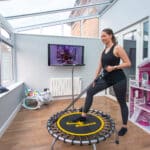
Rebounder Trampolines: Boogie Bounce’s mini trampoline rebounders provide an exhilarating and low-impact workout that’s easy on your joints. Plus, the cardio benefits are fantastic for your heart health – all from home or at a local class!
Boogie Bounce Classes: Join Boogie Bounce Classes across the UK and benefit from the Boogie Bounce atmosphere and our wonderful, talented instructors.
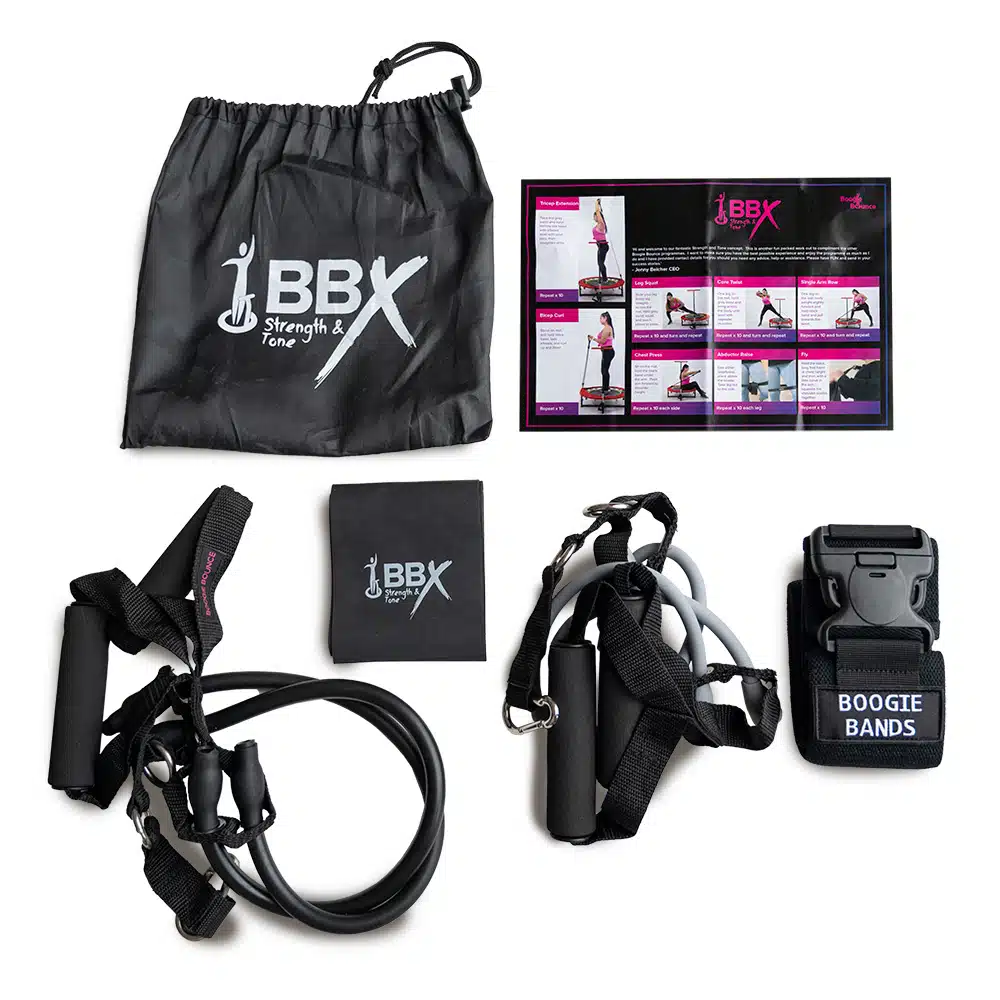
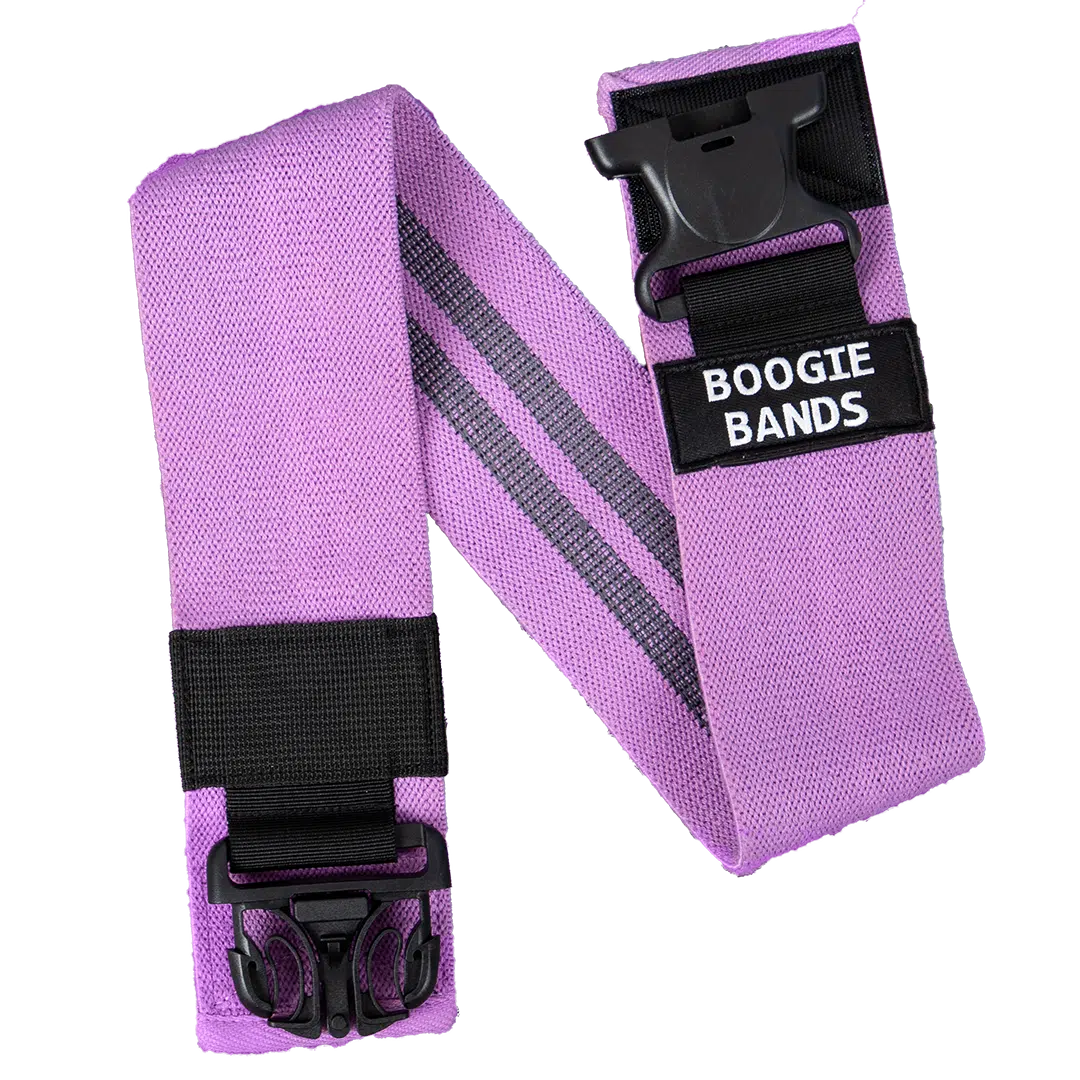
Strength and Tone Resistance Bands: Combine these with your rebounder routine to amp up the resistance and sculpt your muscles effectively.
Mobile App: Can’t make it to the gym? No problem! Boogie Bounce’s mobile app allows you to follow fitness routines at home, ensuring you never miss a workout.
YouTube Membership: Including everything available on the App, the YouTube membership offers an easy, alternative way to get bouncing!
Visit our shop to see our full selection of rebounders and accessories. Your Boogie Bounce Rebounder is a true ‘Gym-in-a-Bag’
The Boogie Bounce Studio and Elite rebounders are durable, lightweight, have a patented Safety T-Bar, and fold away into a carry bag – making them easy to store in between use. They also start from just £109 with free delivery. Pair the Boogie Bounce app with your smart TV, get started with our beginner routines, and then move onto the full routines, or branch out into our strength and conditioning programmes. You can see all the programmes we offer, here.
If you have any questions that we can help with, please contact us on:
Tel: 0121 354 1190
Email: [email protected]
Original price was: £149.00.£124.00Current price is: £124.00.
Find Out More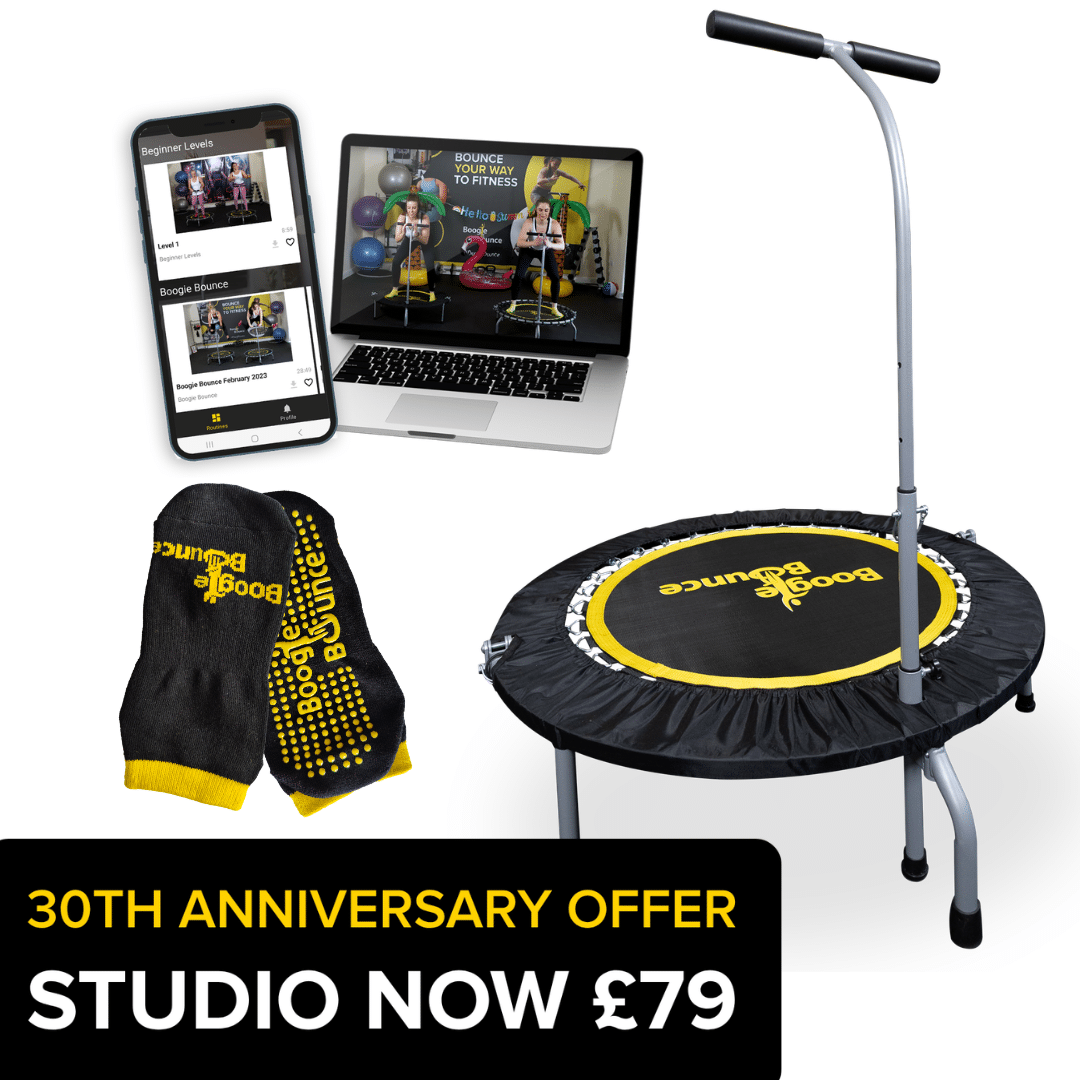
Original price was: £129.00.£79.00Current price is: £79.00.
Find Out More